
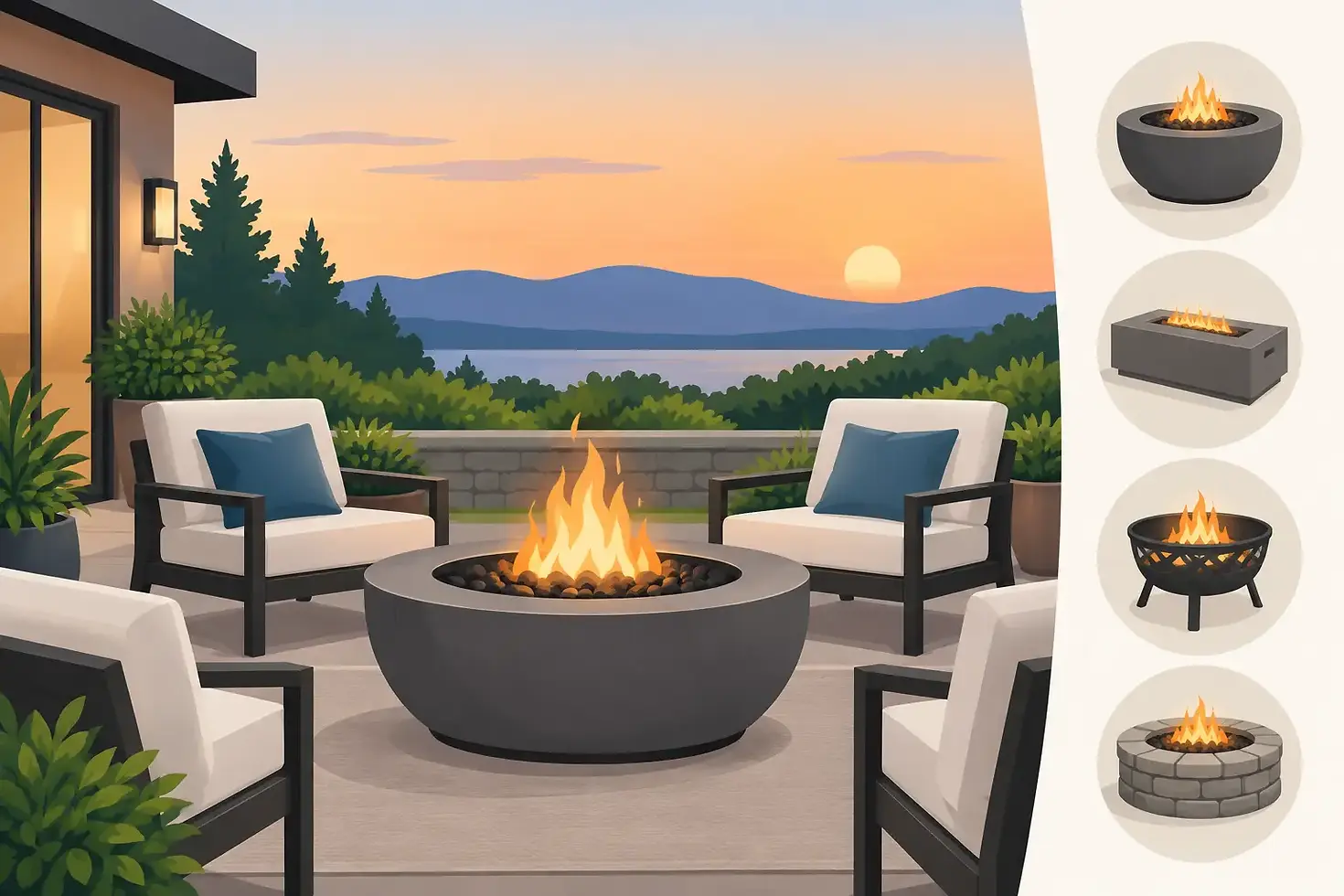
How to Choose a Fire Pit for Your Outdoor Space
A fire pit can turn a patio that gets little use after dinner into the favorite gathering spot at your home. The right feature brings warmth, light, and a natural place for conversation. But how to choose a fire pit is about more than picking a style you like. It requires a clear look at your space, fuel preference, local conditions, and the way your household plans to use the area.
For homeowners in Kelso, Cowlitz County, and the greater St. Helens area, a well-planned fire feature can extend outdoor enjoyment through cool Pacific Northwest evenings. The best choice feels intentional: it complements the patio, leaves room for comfortable seating, and is built with safety and durability in mind.
Start With How You Want to Use the Space
Before comparing fire pit materials or finishes, picture a typical evening outdoors. Will the fire pit be the centerpiece for family gatherings? Do you want a quiet place to unwind after work? Are you hoping to host larger groups, roast marshmallows with children, or add atmosphere to an existing outdoor kitchen?
Your answers affect nearly every design choice. A small wood-burning fire pit may be ideal for occasional casual use, while a permanent gas fire feature provides reliable warmth and a polished look for frequent entertaining. A feature built into a paver patio can create a complete outdoor living area, especially when paired with seat walls, landscape lighting, or a defined dining space.
It also helps to consider the number of people you expect to host. A fire pit needs enough open area around it for chairs and safe movement. Choosing a feature that is too large can make a patio feel crowded. Choosing one that is too small may leave the gathering area feeling disconnected.
How to Choose a Fire Pit That Fits Your Yard
The fire pit should fit the scale of both the patio and the property. Start by identifying the most natural gathering zone, rather than placing a feature in an empty corner simply because it is available. A fire feature often works best as a focal point at the center of a seating area or at the end of a patio where it creates a clear destination.
Allow generous clearance between the fire pit and seating. People need space to pull chairs back, walk around the feature, and enjoy the warmth without sitting too close. On a compact patio, a low-profile round pit or a fire table may preserve more usable room than a large square structure with wide coping.
Think about the surrounding view as well. A fire pit can draw attention to a landscaped border, retaining wall, or open lawn. It can also distract from a view you want to preserve if it is placed too prominently. An experienced landscape contractor can help organize the patio, planting, pathways, and fire feature into one cohesive plan instead of treating each improvement as a separate project.
Consider Wind, Drainage, and Surface Materials
Local site conditions matter. Wind can make a fire uncomfortable and may affect where a wood-burning feature can safely sit. A protected patio area, strategic planting, or a low retaining wall can improve comfort without closing off the yard.
Drainage is equally important in a region known for wet weather. A permanent fire pit should be installed on a stable, properly prepared base with surface drainage that moves water away from the patio. Standing water, settling pavers, and poor grading can shorten the life of the surrounding hardscape and make the area less enjoyable.
Avoid placing a fire pit directly on grass, mulch, a wood deck, or another surface that is not rated for the intended heat source. A professionally installed paver patio or dedicated noncombustible pad provides a cleaner, more durable foundation.
Choose Between Wood, Gas, and Propane
Fuel type is one of the biggest decisions because it changes the experience as much as the appearance.
A wood-burning fire pit offers the familiar crackle, aroma, and campfire feeling many families enjoy. It is often a good choice for homeowners who want a traditional outdoor fire and do not mind gathering firewood, starting the fire, managing smoke, and removing ash. The trade-off is less convenience and more sensitivity to wind, burn restrictions, and changing weather conditions.
Natural gas fire pits offer immediate ignition, adjustable flames, and minimal cleanup. They are especially appealing for a permanent patio installation where the goal is easy, frequent use. Gas requires professional planning for the fuel line and components, but the finished result is clean, dependable, and well suited to refined outdoor living spaces.
Propane provides many of the conveniences of gas without a permanent natural gas connection. It can work well for a fire table or a location where running a gas line is not practical. The propane tank must be stored and accessed appropriately, however, and you will need to monitor fuel levels before gatherings.
There is no single best answer. Choose wood for the traditional fire experience, natural gas for permanent convenience, and propane for flexible installation. In every case, confirm current local regulations and any seasonal burn restrictions before planning regular use.
Select Materials That Belong With Your Home
A fire pit should look like it belongs in the landscape, not like an item placed on top of it. The materials should relate to your home’s architecture and the existing patio, walkways, retaining walls, or exterior finishes.
Pavers, natural stone, concrete block, and masonry veneer can all create attractive permanent fire features. The strongest designs repeat colors or textures already present in the outdoor space. For example, a charcoal-toned paver patio may pair beautifully with a fire pit in a coordinated gray wall block and a lighter stone cap. A warmer, more rustic yard may call for natural stone textures and earth-toned materials.
The cap or coping deserves special attention. This is the surface guests may rest a drink on or use while seating themselves, so it should be smooth, durable, and sized appropriately. Quality installation also means using materials designed to handle heat where they meet the fire chamber. Ordinary landscape materials are not automatically suitable for high temperatures.
Put Safety and Access First
A beautiful fire pit is only successful when it is comfortable to use safely. Keep the feature clear of overhanging branches, structures, fences, dry vegetation, and stored materials. Placement requirements vary based on fuel type, product specifications, and local rules, so the final layout should be confirmed before construction begins.
Plan a direct, stable route from the house to the patio. Paver walkways, appropriate lighting, and level transitions make the area safer after dark, especially when guests are carrying food or drinks. If your yard includes changes in grade, retaining walls and steps may be part of the fire-pit project rather than separate upgrades.
For families, the design can also include practical boundaries. Built-in seat walls establish a natural gathering circle and help keep chairs from drifting too close to the flame. A cover, spark screen for wood-burning pits, or keyed gas shutoff can add another level of protection and peace of mind.
Decide Whether a Portable or Permanent Fire Pit Makes Sense
A portable fire pit is a practical starting point for homeowners who want flexibility, rent their property, or are still deciding how they use the yard. It can be moved, stored, and replaced easily. The downside is that it rarely creates the finished, integrated appearance of a custom hardscape feature.
A permanent fire pit is an investment in the property. It can anchor a new patio, increase the function of an underused backyard, and create a more polished setting for entertaining. It also allows the design to account for drainage, seat walls, lighting, fuel connections, and circulation from the beginning.
If you are already considering a patio upgrade, backyard makeover, or retaining wall, planning the fire pit at the same time is usually more efficient than adding it later. The entire area can be designed around the right proportions and built to work together for years.
Build the Feature Around the Experience You Want
The right fire pit is not necessarily the largest one or the one with the most elaborate finish. It is the feature that fits your property, supports the way you gather, and makes the backyard feel like a true extension of your home.
A thoughtful consultation can turn a broad idea into a clear plan for a beautiful oasis, from the fire feature itself to the patio and landscaping around it. SPS Landscaping helps homeowners bring that vision to life with outdoor spaces designed for lasting enjoyment. Book a consultation when you are ready to create your perfect outdoor retreat.


Comments