
Landscape Designer Versus Landscaper: Who to Hire?
A backyard can look simple on a wish list: a paver patio for summer dinners, a fire pit for cool evenings, better drainage, and lawn that stays healthy. Bringing those pieces together on a real property takes the right kind of help. When weighing a landscape designer versus landscaper, the best choice depends on whether you need a complete vision, hands-on installation, dependable upkeep, or all three.
The terms are often used interchangeably, especially when homeowners are searching for someone to improve an aging or underused yard. Yet the roles can be different. Knowing where each professional adds value helps you plan your project with clearer expectations, a more realistic budget, and a result that feels like a natural extension of your home.
Landscape Designer Versus Landscaper: The Core Difference
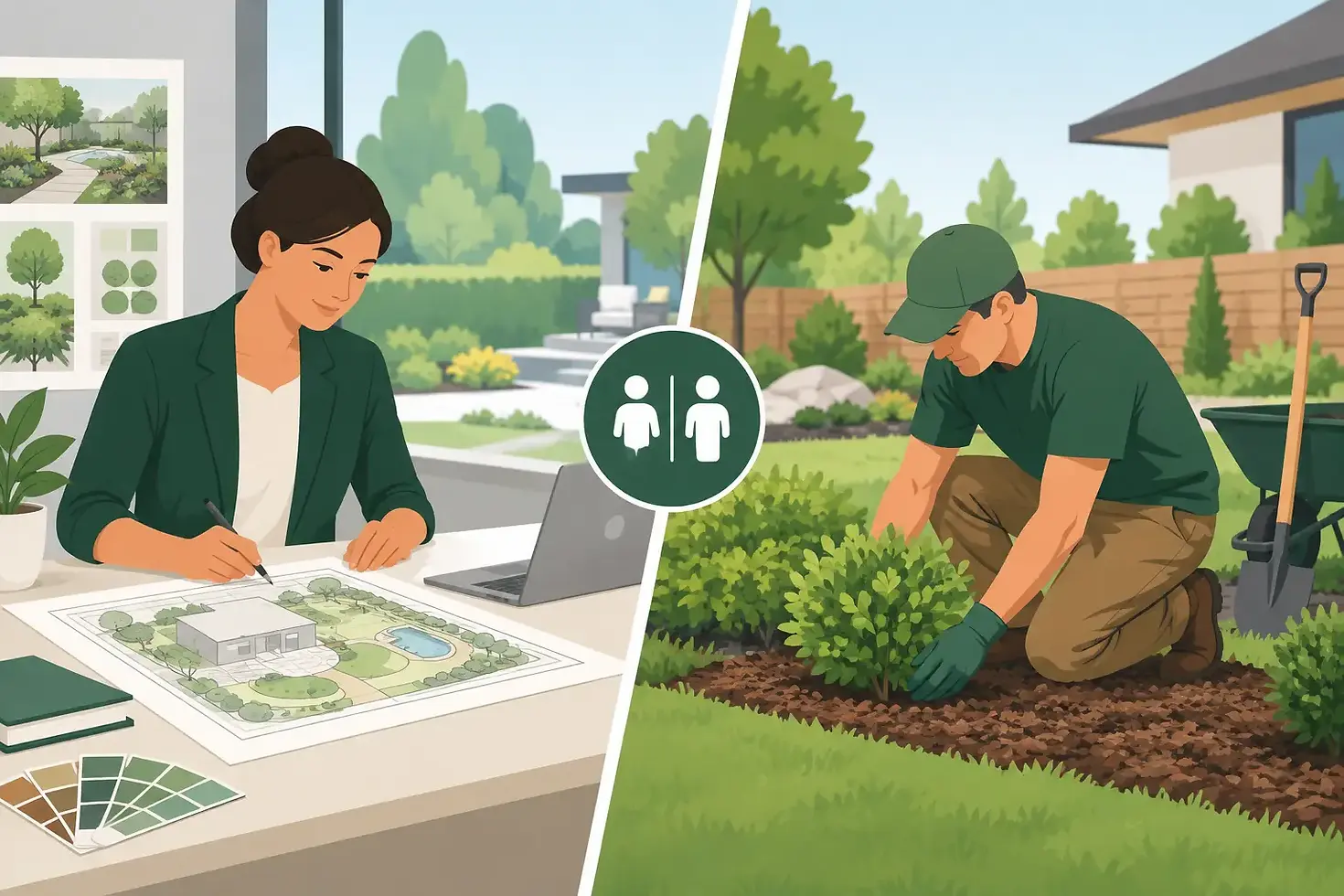
A landscape designer focuses on the plan. They consider how your yard should look, feel, function, and connect to your home. Their work may include a site assessment, concept drawings, planting plans, material recommendations, outdoor-living layouts, and guidance on circulation, privacy, drainage, sun exposure, and visual balance.
A landscaper is generally focused on the work performed in the yard. Depending on the company, that can include lawn care, planting, mulching, pruning, irrigation-related services, seasonal cleanup, sod installation, and the construction of landscape or hardscape features. Some landscapers specialize in routine maintenance. Others have the equipment, experience, and crew capacity to complete major transformations.
The distinction matters because a beautiful plan is only useful if it can be built well, and quality installation without an organized plan can lead to a yard that feels pieced together. A patio may be placed without enough room for seating. A retaining wall may solve one grade issue while creating a drainage concern elsewhere. Plantings may look full at installation but crowd one another within a few years.
For many homeowners, the most practical partner is a full-service contractor that can design, install, and maintain the finished space. That approach keeps the vision connected from the first conversation through the final details.
What a Landscape Designer Does
Landscape design is about solving the entire-property question: What should this outdoor space become, and how will every part work together? A designer starts with the way you live, not just the way the yard looks today.
If your family enjoys hosting, the plan might prioritize a patio large enough for a dining set, a grill station, comfortable pathways, and lighting. If your front yard lacks curb appeal, the design may focus on defined planting beds, a stronger entry sequence, and materials that complement the architecture of your home. For a sloped yard, the design process may identify where retaining walls, drainage solutions, and level-use areas will make the property safer and more useful.
Design Is More Than Choosing Plants
Plant selection is part of the job, but it is not the whole job. A thoughtful design accounts for mature plant size, seasonal color, maintenance needs, soil conditions, sun and shade, and the amount of watering a landscape will require. It also establishes structure through hardscape elements such as pavers, walls, edging, steps, and fire features.
This is especially valuable when your ideas are broad. You may know you want a beautiful oasis but not know whether the best investment is a larger patio, a privacy screen, a refreshed lawn, or a complete yard makeover. A design-led process turns those preferences into a coordinated direction before construction begins.
When Design Support Is Worth It
Hiring for design is usually the right move when you are changing several areas of the property, investing in permanent features, working with a challenging grade, or trying to make an awkward yard more functional. It is also useful when you want to compare options before committing to a large project.
For a small, straightforward refresh, a separate design phase may not be necessary. Replacing a few shrubs, installing fresh mulch, or maintaining an existing lawn may only require a skilled landscaping crew with a clear scope of work. The key is matching the level of planning to the scale and permanence of the project.
What a Landscaper Does
Landscapers bring outdoor plans to life through physical work, equipment, material handling, and site preparation. Their responsibilities vary widely, so homeowners should ask specifically what services a contractor performs in-house and what kinds of projects they regularly complete.
For maintenance-focused work, a landscaper may mow, edge, prune, fertilize, remove debris, manage weeds, and keep planting beds looking polished through the seasons. This ongoing care protects the investment you have already made and prevents a well-designed yard from becoming overgrown or neglected.
For installation work, a landscaping contractor may prepare soil, install sod, create planting beds, build paver patios, place decorative rock, construct retaining walls, install fire pits, and improve the overall flow of an outdoor space. Quality work is not only about the finished appearance. Proper base preparation, grading, drainage, compaction, and material selection have a major impact on how well hardscape features perform over time.
Installation Experience Matters for Permanent Features
A fire pit or patio should feel inviting, but it also needs to be stable, level, and positioned appropriately. A retaining wall needs to look clean while managing soil pressure and water movement. These are not projects where visual appeal should be separated from sound construction practices.
Ask a potential contractor how they approach site preparation and whether they have experience with projects similar to yours. Local conditions in Cowlitz County and the greater St. Helens area can influence drainage, planting choices, and the way an outdoor area is used throughout the year. A contractor who understands the region can offer practical recommendations rather than a one-size-fits-all solution.
When You Need Both Design and Landscaping
The designer-versus-landscaper question does not always require choosing one or the other. A complete outdoor-living project typically needs both strategic planning and skilled installation.
Consider a homeowner with a backyard that slopes away from the house and has little usable gathering space. A designer can organize the yard around a patio, retaining wall, planting beds, and a fire feature. The installation team can then prepare the site, build the wall and patio correctly, manage drainage, install plants, and finish the details that make the space feel complete.
Working with one provider can reduce the risk of miscommunication between the design and construction stages. It also gives you one point of contact when questions arise about budget, materials, scheduling, or changes on site. SPS Landscaping provides this connected approach for homeowners who want to move from an initial idea to a finished outdoor retreat without coordinating multiple separate companies.
That said, there are situations where separate specialists make sense. A homeowner may already have professional plans and only need an installation crew. Another may need a highly specialized design service for a complex estate or a project with extensive engineering requirements. The right arrangement depends on the scope, the site, and the expertise required.
Questions to Ask Before You Hire
Before requesting quotes, take a few minutes to define what success looks like. Is your priority curb appeal, lower maintenance, more space for entertaining, a safer slope, or a better lawn? Clear goals help a contractor recommend the right mix of planning and hands-on work.
During a consultation, ask whether the company provides design support, installation, and ongoing maintenance. Ask how the project will be planned, what materials are recommended, how drainage and grading will be handled, and what the expected timeline looks like. You should also confirm that the contractor is properly insured and comfortable explaining the scope in plain language.
A detailed quote should make it easier to understand what is included and where choices may affect the final cost. The lowest price is not always the best value if it leaves out essential preparation, durable materials, or the finishing work needed for a polished result.
Choose the Help That Fits Your Yard
If you need ideas organized into a complete plan, a landscape designer brings valuable vision and direction. If you need reliable construction, planting, lawn care, or seasonal upkeep, a landscaper provides the labor and expertise that keep your property looking its best. For a larger transformation, choose a partner who can connect both sides of the work with quality craftsmanship and attentive service.
Your yard does not need to remain a collection of unfinished possibilities. Book a consultation, share how you want to use the space, and take the first practical step toward creating the perfect outdoor retreat for your home.


Comments