
Sloped Yard Transformation Ideas That Last
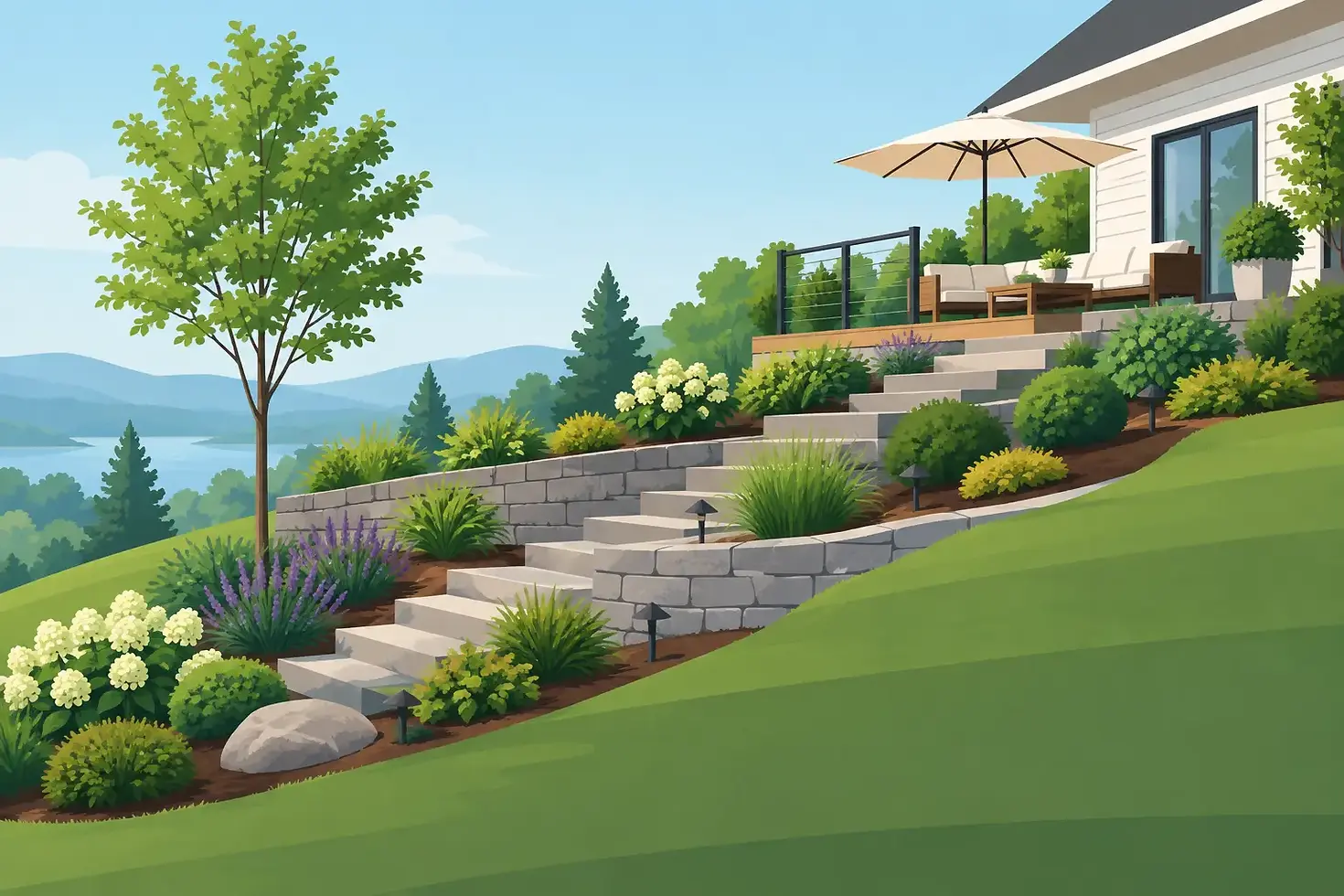
A steep backyard can feel like a space you are always working around instead of enjoying. A well-planned sloped yard transformation changes that equation by turning uneven ground into usable levels, safer pathways, and outdoor areas that feel like a natural extension of your home. The goal is not to fight the slope. It is to organize it with purpose.
For homeowners in Kelso, Cowlitz County, and the greater St. Helens area, that may mean creating a level paver patio for entertaining, building a retaining wall to support a garden bed, improving drainage near the foundation, or connecting the house to the yard with dependable stairs and walkways. The right solution depends on your property, your budget, and how you want to use the space.
Start a Sloped Yard Transformation With a Real Plan
The most successful projects begin before the first wall block or paver is installed. A slope affects drainage, soil stability, access, planting choices, and the way people move through the yard. Treating each feature as a separate project can leave a property looking pieced together. A complete plan creates a better result and often prevents costly corrections later.
First, consider how water currently travels across the property. In the Pacific Northwest, seasonal rain can expose weaknesses quickly. Water moving downhill may wash away mulch, erode exposed soil, collect along a foundation, or turn a lower lawn area into mud. A landscape plan should direct water away from the home while preserving appropriate drainage throughout the yard.
Next, define the purpose of each area. A family may want a flat lawn for play, a fire pit for cool evenings, and a patio where guests can gather. Another homeowner may prefer terraced garden beds and low-maintenance planting that improves curb appeal without adding weekend chores. When every level has a purpose, the finished landscape feels intentional rather than crowded.
Access matters as much as appearance. A beautiful terrace is not especially useful if it is difficult to reach safely. Thoughtfully placed steps, paths, and landings make a sloped property easier to enjoy year-round. They also create visual order by giving the eye a clear route through the landscape.
Retaining Walls Create Structure and Usable Space
Retaining walls are often the backbone of a sloped yard. They hold soil in place, reduce erosion, and make it possible to build level spaces where there once was only a grade. Depending on the layout, one larger wall may make sense, or several shorter terraced walls may provide a softer, more gradual transition down the yard.
The best approach depends on the elevation change and the intended use of the space. A low decorative wall around a planting bed has different demands than a wall supporting a patio, driveway edge, or large amount of soil. Proper base preparation, drainage behind the wall, material selection, and construction methods are essential. This is not an area where surface appearance should be the only consideration.
Retaining walls also offer design opportunities. Natural stone textures, concrete wall block, and coordinated capstones can complement a home’s exterior and connect the wall to surrounding pavers or walkways. A wall can become integrated seating around a fire feature, a clean border for a garden, or a defining edge for a new outdoor living area.
For a smaller slope, terracing can be especially effective. Each level can serve a different role: a patio near the house, a planted middle terrace, and a lawn or fire pit area below. This layered arrangement adds depth while making the entire yard easier to maintain.
Build Outdoor Living Areas Where They Work Best
A sloped lot does not eliminate the possibility of a comfortable patio. In many cases, it creates an opportunity to design a more distinctive outdoor retreat. The key is choosing the right location and preparing a stable, level base.
Paver patios are a popular choice because they offer a polished look, strong performance, and flexible design options. They can create a dedicated dining space, outdoor lounge, grilling area, or connection to a fire pit. On a sloped property, the patio may be set into a terrace supported by a retaining wall, or it may sit at a carefully graded transition between the house and the yard.
Size is worth considering early. A patio that fits a small table but leaves no circulation room can feel restrictive. On the other hand, a large patio may not be the right investment if the household primarily wants a quiet seating area. The best design reflects real routines. Think about how many people gather at your home, where the sun hits in the afternoon, and whether you want room for furniture, a grill, planters, or a fire feature.
Fire pits can make a lower yard feel like a destination. They work especially well when paired with built-in seating, paver surfaces, and a defined path from the house. The result is more than a backyard feature. It is a place to spend time with family and friends when the evenings cool down.
Solve Drainage Before It Becomes a Bigger Problem
Drainage is one of the most important parts of a sloped yard transformation, even though it is rarely the feature homeowners are most excited to discuss. Without a sound water-management plan, attractive hardscape and planting work can suffer over time.
Grading helps guide surface water where it should go. Retaining walls need drainage material and appropriate outlets behind them to reduce pressure from saturated soil. Downspout runoff may need to be directed away from foundations and high-traffic areas. In some yards, drains or swales may be appropriate to manage concentrated water.
There is no one drainage solution for every property. Soil type, slope direction, roof runoff, existing structures, and local conditions all affect the plan. What matters is treating water as part of the design from the beginning, not as an afterthought once a patio or wall is already complete.
A professional assessment can identify concerns that are easy to miss from ground level. Small signs such as settling pavers, bare channels in a hillside, standing water, or damp areas near the home often point to issues worth addressing before they grow.
Choose Plants That Support the Slope
Planting does more than add color. On a hillside, the right landscape design can help protect the soil, soften the lines of hardscape, and reduce maintenance demands. Plant roots help hold soil in place, while layered beds break up large exposed areas that might otherwise erode in heavy rain.
A good planting plan balances beauty with realistic care needs. Groundcovers, ornamental grasses, shrubs, and perennials can create texture across a slope without requiring constant mowing. Plants should be selected for their light exposure, drainage needs, mature size, and ability to perform in the local climate.
Mulch can help retain moisture and create a finished appearance, but it needs careful placement on steeper ground. Heavy rain can move loose mulch downhill, particularly before plants are established. In certain areas, larger bark, rock accents, edging, or denser plant coverage may be a better fit.
For homeowners who still want lawn space, it is often best to keep turf on the flatter, most accessible portions of the yard. Mowing a steep incline can be frustrating and unsafe. A smaller, level lawn paired with planted terraces usually provides a cleaner look and a more practical maintenance routine.
Think About Long-Term Care From Day One
A transformed slope should remain enjoyable after installation. This is where a combined design, hardscape, and maintenance approach makes a meaningful difference. Pavers may need occasional cleaning and joint-sand renewal. Planting beds need seasonal attention. Irrigation and lawn areas need consistent care to look their best through changing weather.
Building maintenance into the original plan helps homeowners avoid a landscape that looks impressive at completion but becomes difficult to manage. Defined bed edges, accessible planting zones, durable materials, and appropriate plant spacing all support a landscape that stays polished with less effort.
SPS Landscaping helps homeowners bring their vision to life with custom retaining walls, paver patios, landscape design, and ongoing yard care designed around the property’s needs. A consultation is the right place to discuss what your slope can become, from a safer backyard layout to a beautiful oasis built for everyday use.
A hillside does not have to remain the part of your property you overlook. With thoughtful grading, quality workmanship, and a plan built around how you live, it can become the setting for your perfect outdoor retreat. Book a consultation and start shaping a yard you will be proud to use.


Comments